
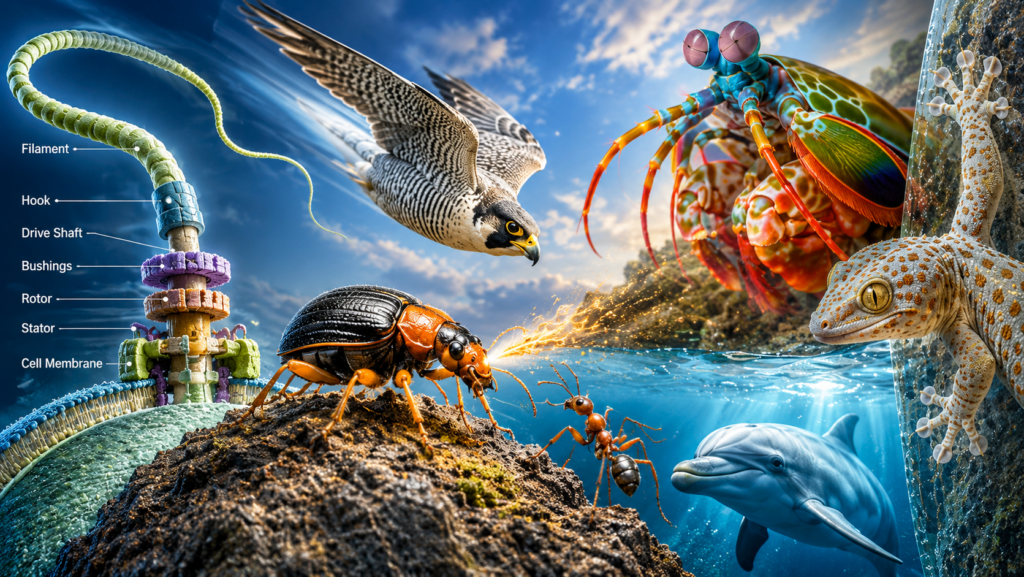
Nature’s Engineering Marvels: Exploring Biological Complexity
When people think about evidence of design, they often think about the fine-tuning of the universe, the complexity of DNA, or the mystery of consciousness.
But there is another area that deserves careful examination.
The animal kingdom.
Across the natural world, we find biological systems that often resemble sophisticated human engineering.
Some creatures navigate using biological sonar.
Others generate electricity.
Some possess microscopic molecular machines that scientists compare to human-engineered motors.
Others survive conditions that would destroy nearly every other form of life.
Engineers regularly study nature for inspiration.
This field is known as biomimicry.
The question is simple.
Do some animals show evidence of design?
There is no universal agreement on the answer.
Some believe these systems arose through unguided natural processes.
Others believe they point toward intelligence behind nature itself.
Whatever conclusion you reach, the evidence is fascinating.
Let’s explore some of the most remarkable examples.
The Question
Scientists continue to discover extraordinary biological systems throughout the natural world.
Some animals possess abilities that seem almost impossible.
Others contain microscopic machinery, advanced navigation systems, remarkable defense mechanisms, or levels of resilience that continue to puzzle researchers.
Do these systems point to design?
Or can they be fully explained through undirected natural processes?
Reasonable people disagree.
Let’s examine the evidence.
The Bacterial Flagellum: Nature’s Rotary Motor
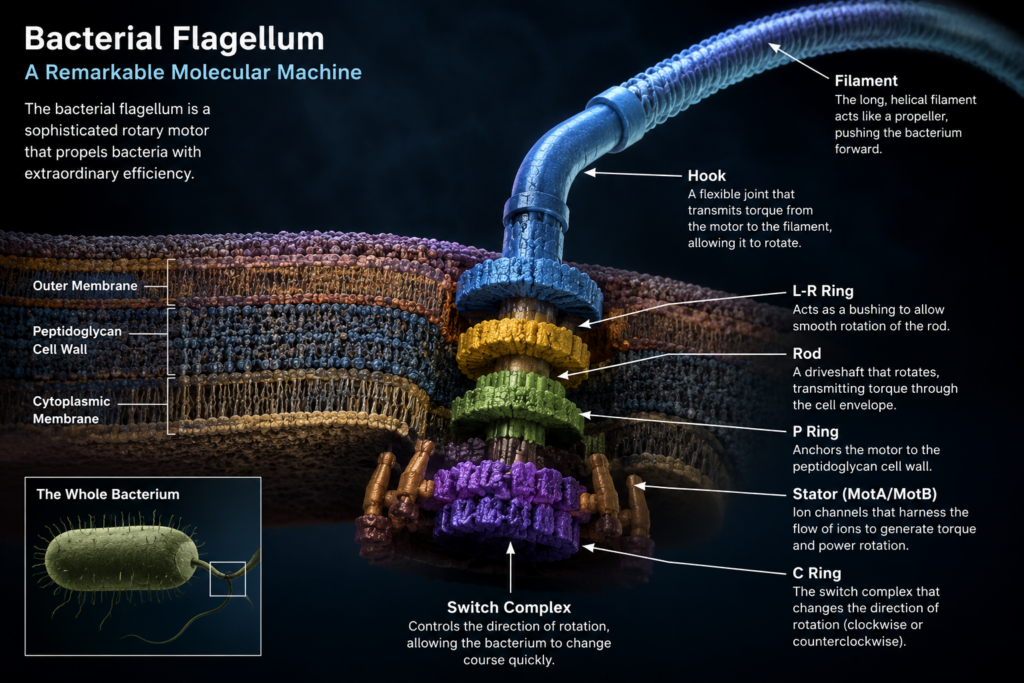
he bacterial flagellum is one of the smallest yet most sophisticated molecular machines known. This tiny rotary motor propels bacteria through liquids using a coordinated system of specialized components that work together with remarkable efficiency.
Scientists have identified dozens of interacting parts that contribute to its structure and function. The illustration below highlights many of the major components of this remarkable biological system
Reflection Question
Does the bacterial flagellum represent an example of biological engineering, or can it be fully explained through natural processes?
The Bombardier Beetle: Nature’s Chemical Defense System
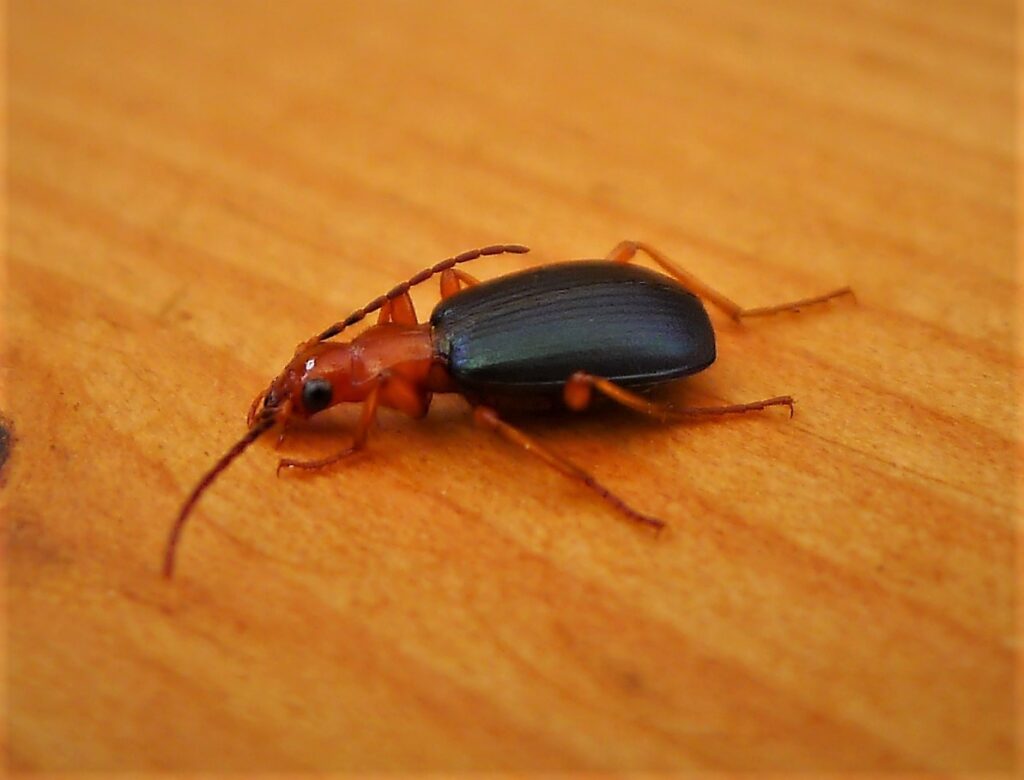
The bombardier beetle possesses one of the most extraordinary defense mechanisms in the animal kingdom.
Inside its body, it stores chemicals in separate chambers.
When threatened, those chemicals combine in a controlled reaction.
The result is a hot defensive spray directed at predators.
The beetle can fire this spray repeatedly without harming itself.
Scientists have long studied how such a complex system functions safely.
The bombardier beetle raises fascinating questions.
How did the storage chambers, chemical compounds, reaction mechanisms, and delivery systems emerge together?
These questions have made the bombardier beetle one of the most frequently discussed examples in debates about biological complexity and design.
Reflection Question
How did such a coordinated chemical defense system arise?
The Gecko: Master of Adhesion
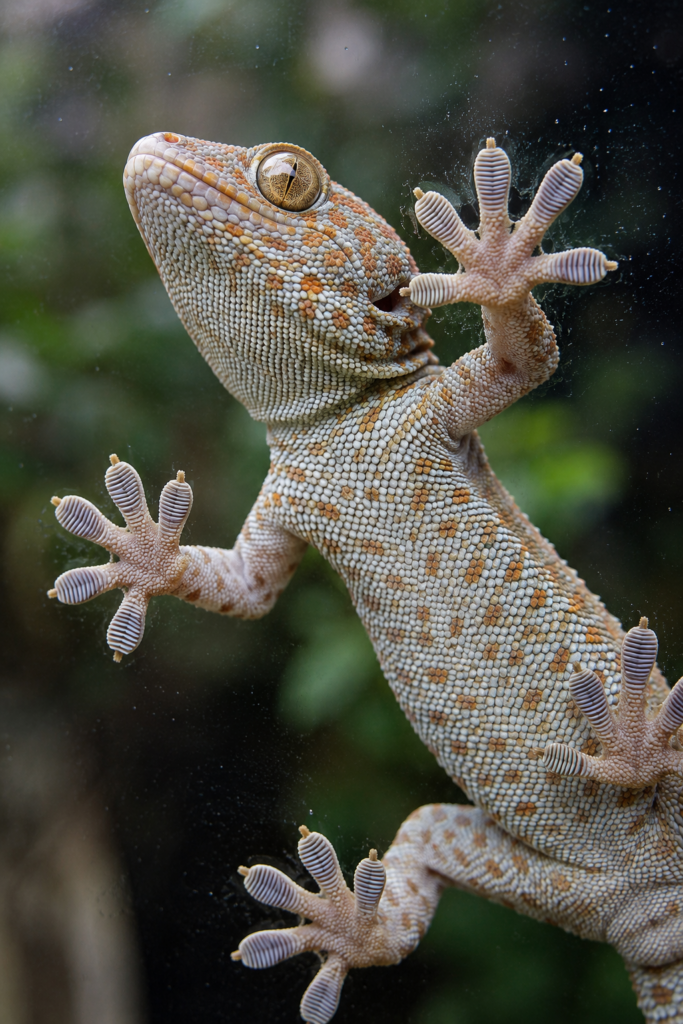
Geckos can climb walls, ceilings, and even smooth glass surfaces.
Their secret lies in microscopic structures located on their feet.
Millions of tiny hair-like structures create intermolecular forces that allow remarkable adhesion.
Unlike glue, the gecko’s feet leave no residue.
The animal can attach and detach instantly.
Scientists have spent years attempting to replicate this capability.
The gecko has inspired advanced adhesives, robotics, and climbing technologies.
Its design continues to influence modern engineering.
Reflection Question
Why does nature repeatedly solve engineering problems so effectively?
The Mantis Shrimp: Extraordinary Vision and Power
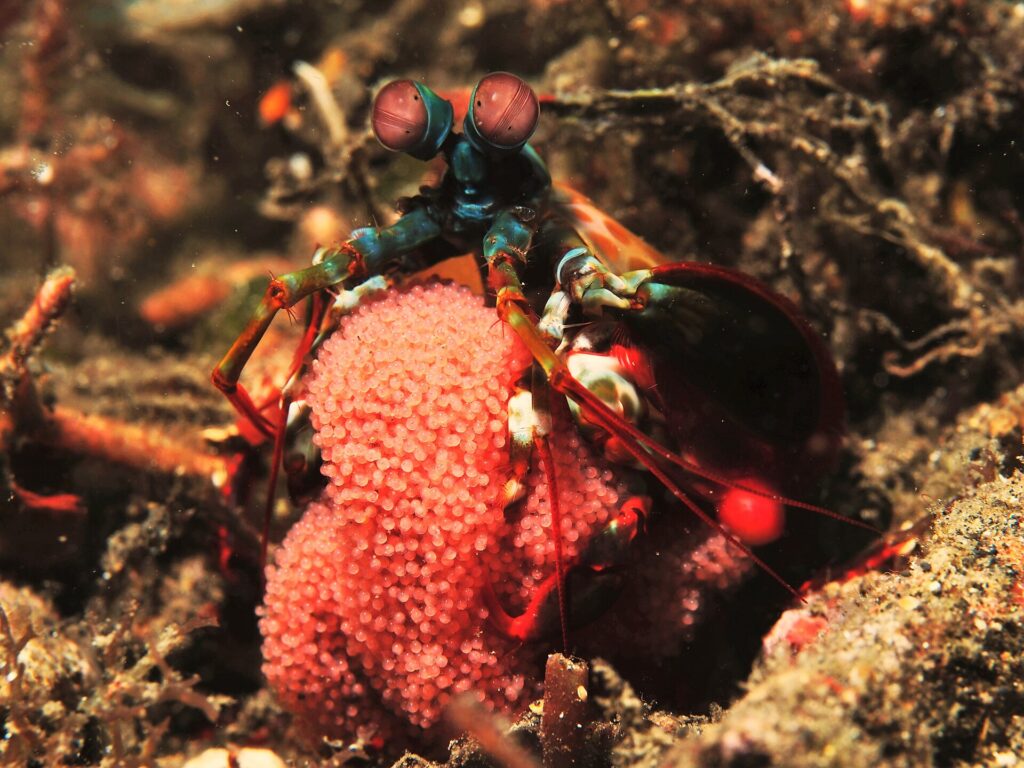
The mantis shrimp possesses one of the most sophisticated visual systems known.
Humans have three primary color receptors.
The mantis shrimp has many more.
Its eyes can detect forms of light invisible to humans.
Its striking appendage can accelerate with incredible speed.
The impact is so powerful that it can break shells and even crack aquarium glass.
Researchers continue studying the mantis shrimp to better understand advanced optics and material science.
The animal is frequently cited as an example of extraordinary biological complexity.
Reflection Question
What can this remarkable creature teach us about biological complexity?
The Peregrine Falcon: Nature’s Fastest Hunter
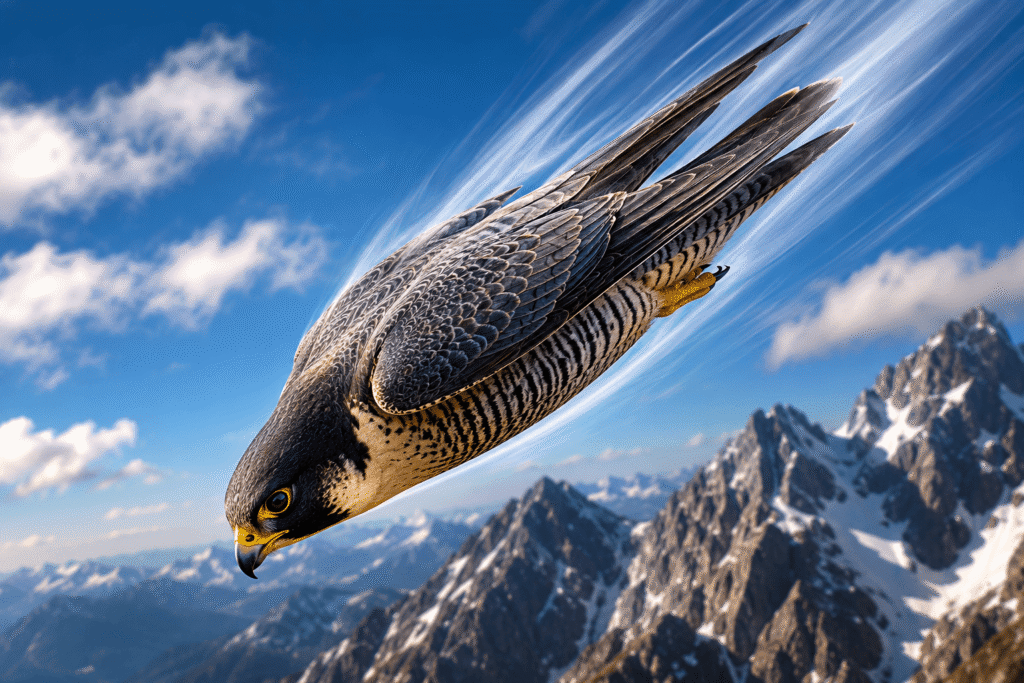
The peregrine falcon is the fastest animal on Earth. During a hunting dive, known as a stoop, it can exceed 240 miles per hour (386 km/h).
At these extraordinary speeds, even tiny aerodynamic imperfections could reduce accuracy or cause injury. The falcon’s streamlined body, rigid feathers, powerful muscles, specialized lungs, and remarkable eyesight work together as a highly integrated system.
Unlike most birds, peregrine falcons possess small bony structures inside their nostrils that regulate airflow during high-speed dives. These structures help the bird continue breathing while descending at tremendous velocities.
Its visual system is equally remarkable. A peregrine can detect prey from great distances and continuously adjust its trajectory during flight, allowing it to strike with extraordinary precision.
Engineers continue to study peregrine falcons when developing high-speed aircraft, aerodynamic structures, and advanced flight-control systems.
Reflection Question
How did such a highly integrated system for extreme-speed flight and precision hunting originate?
The Bottlenose Dolphin: Nature’s Biological Sonar
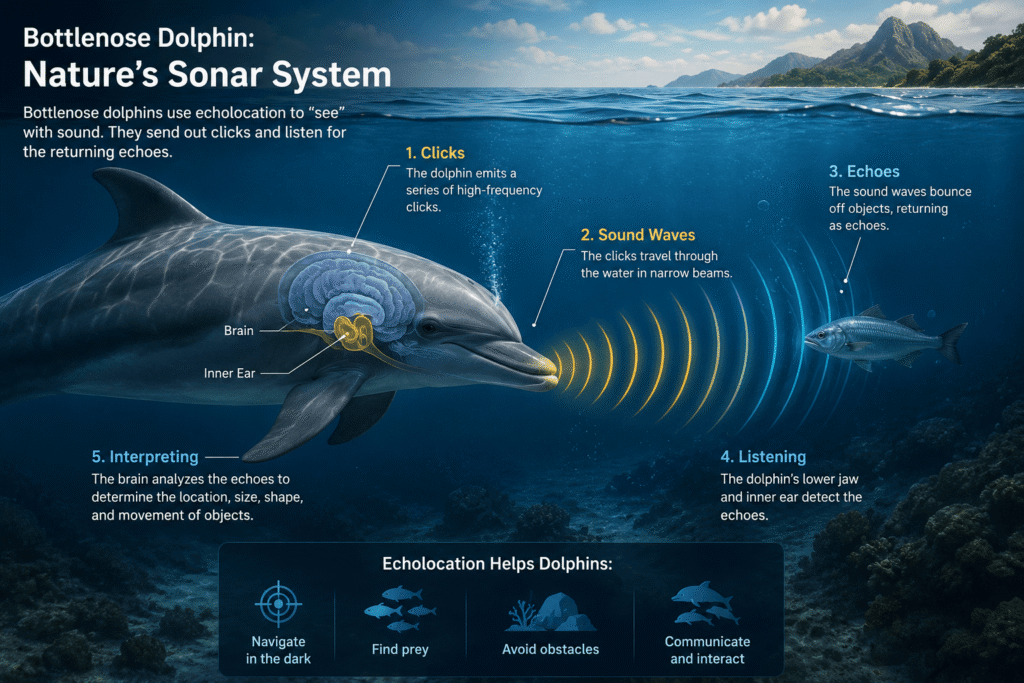
Unlike humans, bottlenose dolphins can “see” with sound. They produce rapid, high-frequency clicks that travel through the water and bounce off surrounding objects.
The returning echoes provide detailed information about an object’s size, shape, distance, location, and even its internal structure.
Specialized tissues in the dolphin’s lower jaw receive these echoes and transmit them to the inner ear. The brain then processes this remarkable stream of information almost instantly.
This biological sonar allows dolphins to navigate through murky water, locate prey hidden beneath the sand, avoid obstacles, and communicate with other dolphins.
Scientists continue to study dolphin echolocation because it remains one of the most sophisticated natural sonar systems ever discovered. Its capabilities have inspired advances in underwater navigation, robotics, sonar technology, and medical imaging.
Despite decades of research, many aspects of dolphin echolocation remain only partially understood.
Reflection Question
How did such an extraordinarily precise biological sonar system originate?
The Archerfish: A Precision Marksman
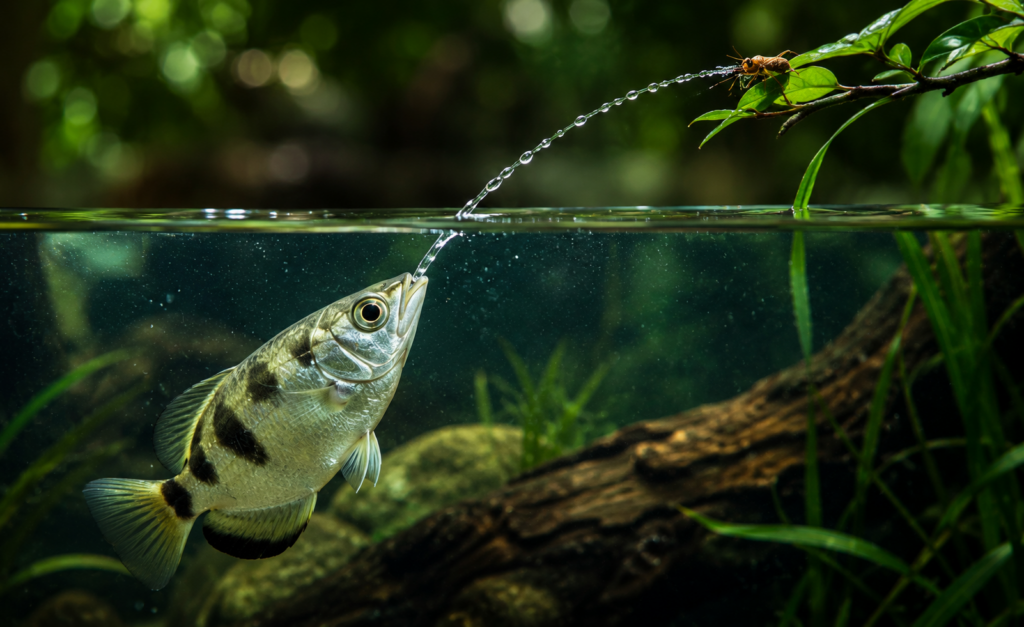
The archerfish hunts insects hanging above the water.
It shoots a precise stream of water at its target.
The impact knocks the insect into the water.
The fish then consumes its prey.
This behavior becomes even more impressive when considering light refraction.
Objects above water appear distorted when viewed from below.
The archerfish somehow compensates for this distortion.
Its accuracy often rivals that of a skilled marksman.
Scientists continue studying how the fish performs these calculations.
Reflection Question
How does a fish compensate for light refraction with such remarkable accuracy?